
NSW Sustainability Award 2026 Nominee — Circular Economy
Upcycled Bags Australia
Handmade, One-of-a-Kind, Built to Last
RECOLAB makes upcycled bags in Australia from materials that would otherwise go to landfill — retired sailing cloth, decommissioned billboard skins, abandoned festival tents and offcut upholstery fabric. Every bag is cut and sewn by hand in our Tasmanian workshop, and once a piece sells, that exact material story is gone for good.

Why Upcycled, Not Recycled
An Upcycled Bag Keeps the Original Material Intact
Recycling breaks materials down to raw fibre before remaking them. Upcycling — what we do at RECOLAB — keeps the strength, weatherproofing and character of the original material intact, so nothing is lost turning waste into something new. That's why a RECOLAB bag can survive years of daily use: it was already built for the harshest environment there is, the open ocean.
1
Retired Sail Cloth
Dacron and laminate sails from Tasmanian and mainland yachts, selected for their weight, weave and story.
2
Billboard Skins
Decommissioned vinyl from high-end advertising campaigns, diverted before it reaches landfill.
3
Festival Tents & Upholstery
Abandoned festival canvas and offcut upholstery fabric, each with its own weight and texture.
Shop the Range
Ready-to-Ship Upcycled Bags
Browse one-of-a-kind bags already made and ready to ship anywhere in Australia. Because every bag is cut from a unique piece of reclaimed material, once it's gone, it's gone.


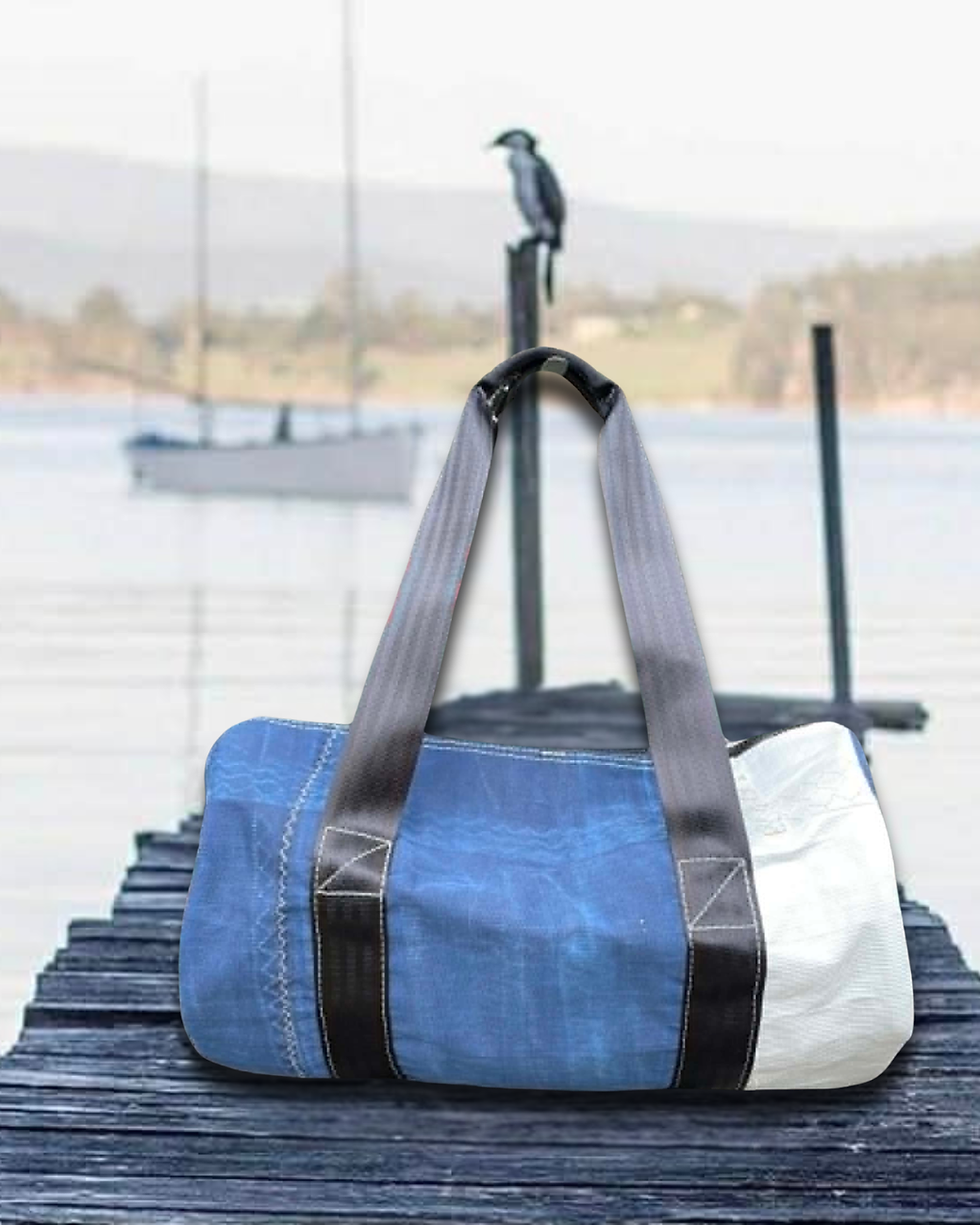


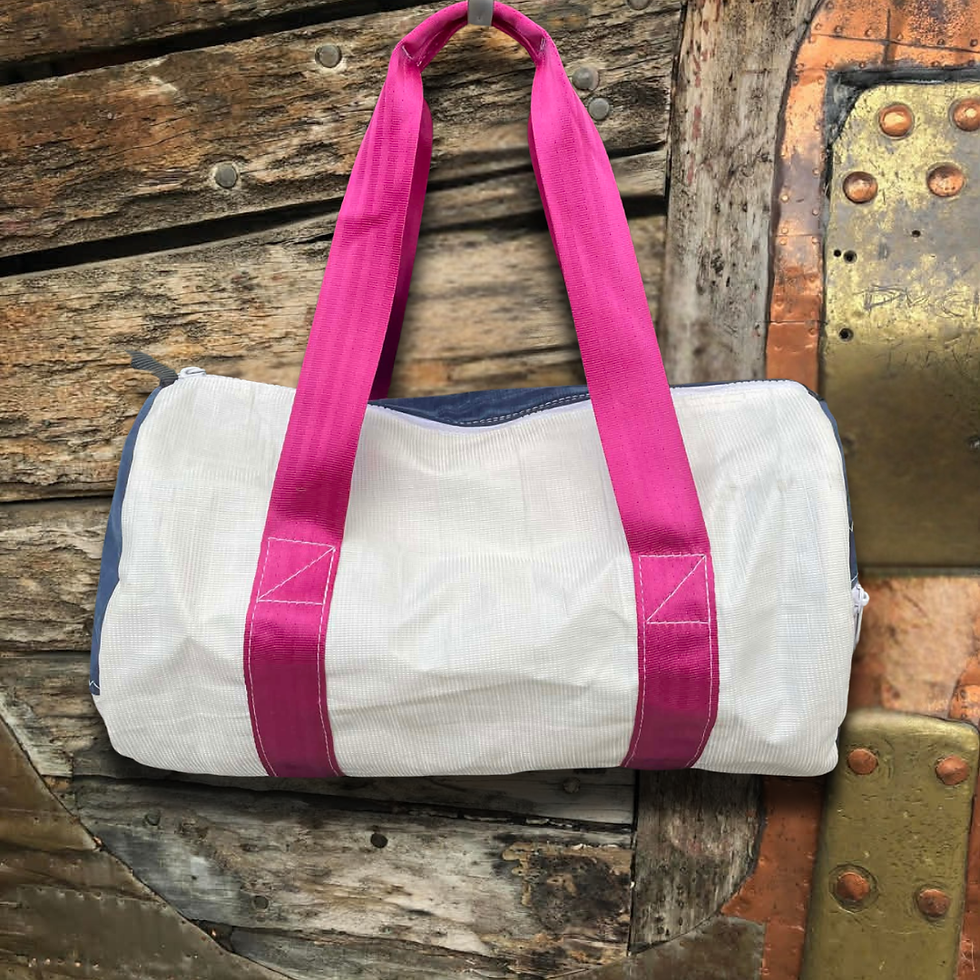

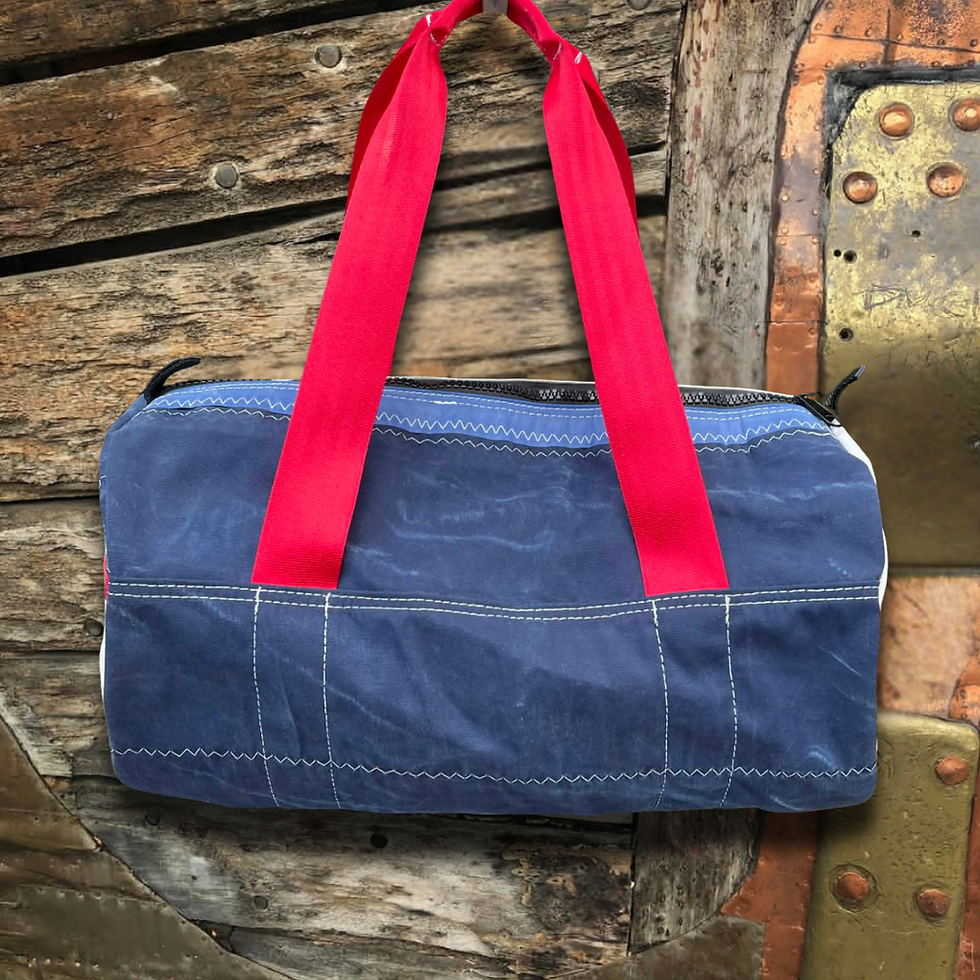


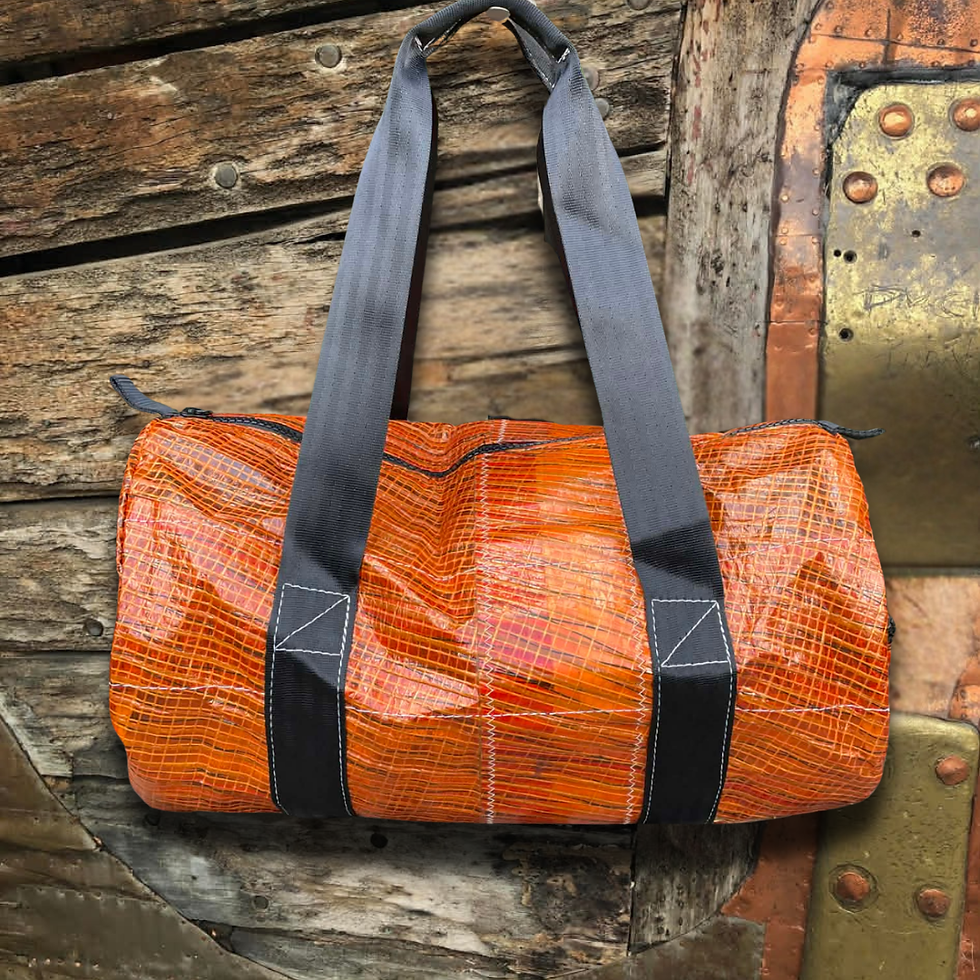


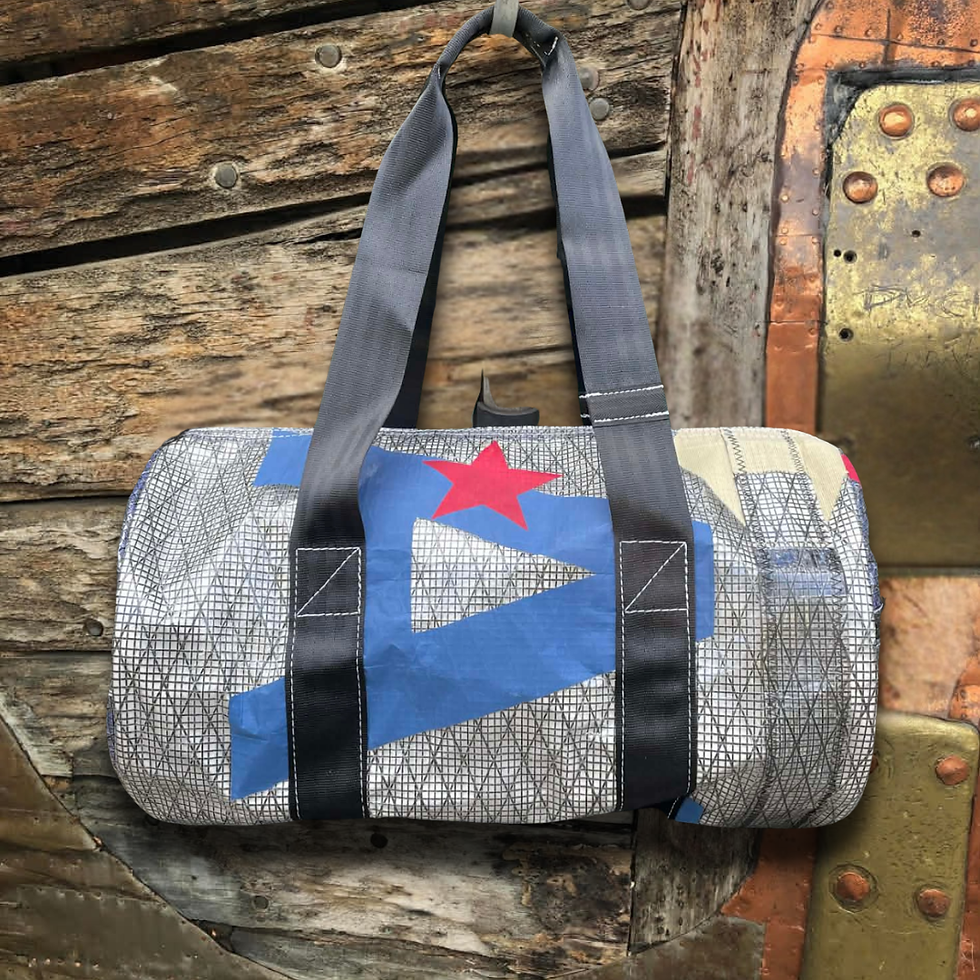


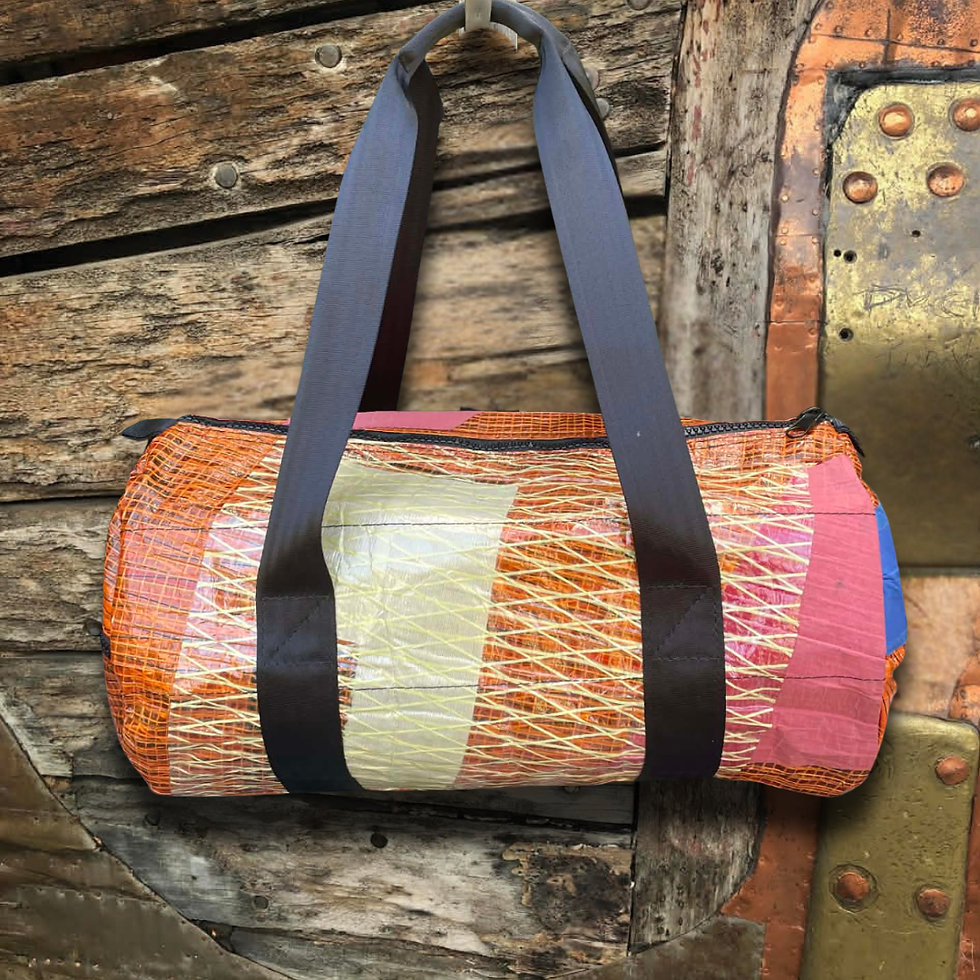


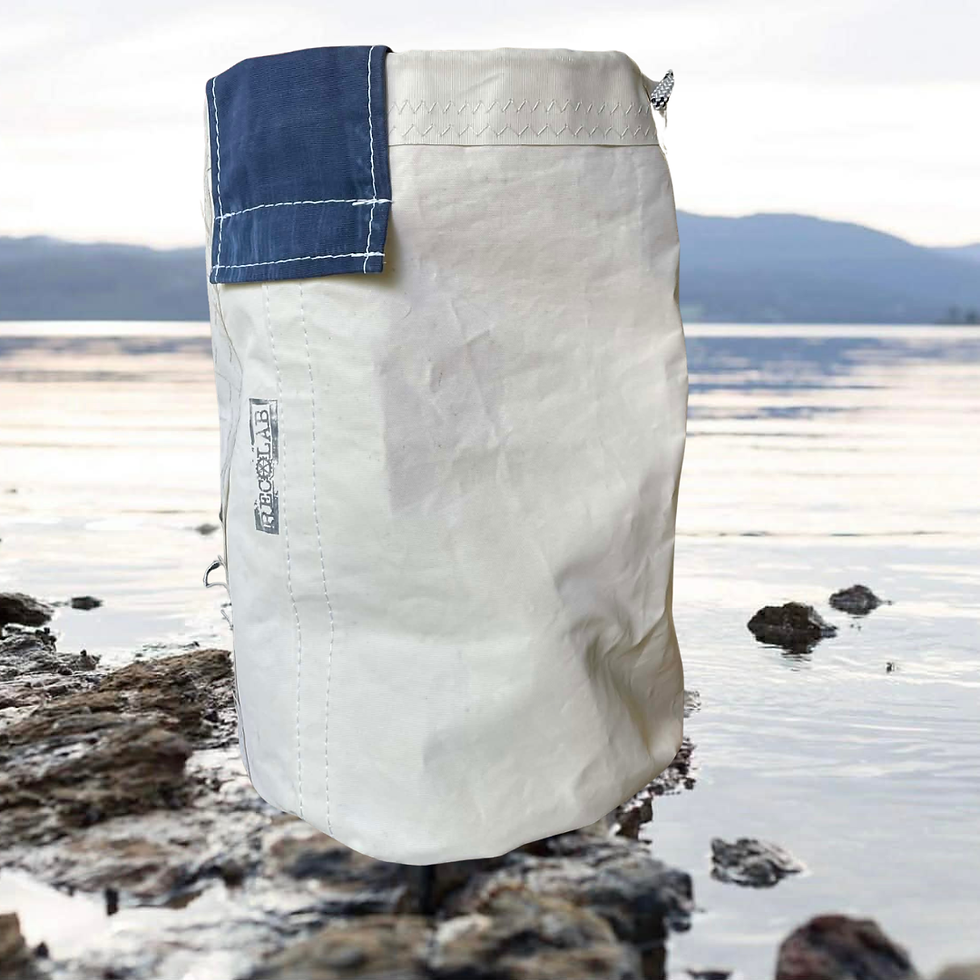


Made to Last
Built With the Same Standards as the Original Gear
Every RECOLAB bag carries over the durability its material was originally built for.
Feature
RECOLAB Upcycled Bags
Mass-Produced "Eco" Bags
Hardware
Marine-grade, UV protected
Standard zinc alloy
Webbing
Auto-industry grade
Basic polyester
Seams
Double-sewn, polyester bound
Single-pass stitching
Uniqueness
One-of-a-kind, numbered material
Mass-produced runs
Made in
Tasmania, Australia
Often overseas
Longevity
How Long Does an Upcycled Bag Last?
Because the base material has already survived years of sun, salt and load out on the water or on a billboard face, it arrives at our workshop pre-tested by the elements. Sailcloth in particular is engineered to resist UV degradation and repeated flexing — the exact properties that make a good daily-carry bag. Customers routinely tell us their RECOLAB piece is still going strong five, six, even ten years after purchase, with only the hardware needing the occasional check.
To keep your bag looking its best, wipe it down with a damp cloth rather than machine washing, avoid prolonged direct sun on printed or dyed panels, and store it flat or hanging rather than tightly folded if you won't be using it for a while. Marine-grade hardware means the clips and rings won't corrode with normal use, even near the coast.

Want Something Truly Yours?
Build Your Own Upcycled Bag
Have a sail, uniform or fabric with sentimental value? We'll turn it into a custom bag — or help you choose from our library of reclaimed materials.
FAQ